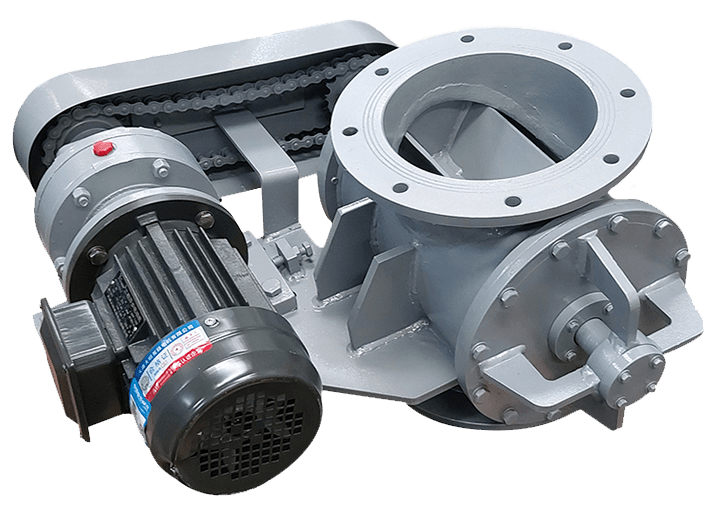
PISTEK VALVE
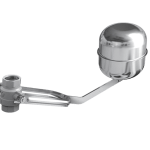
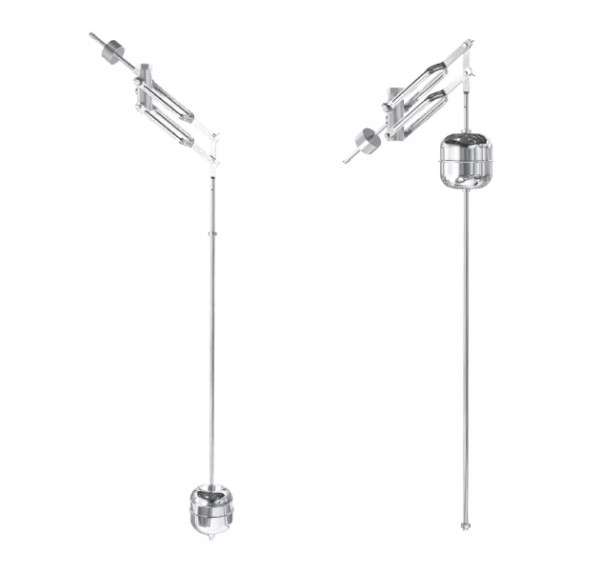
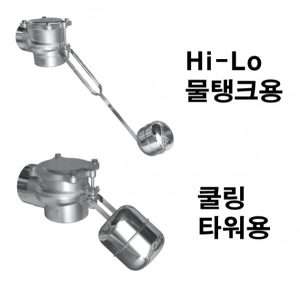
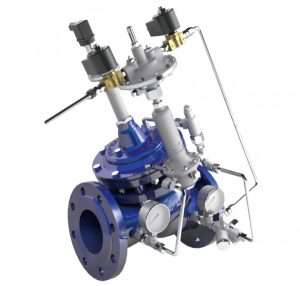
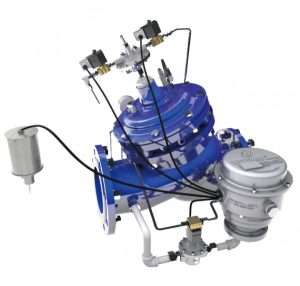
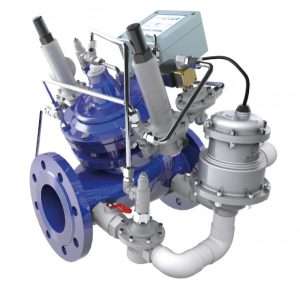


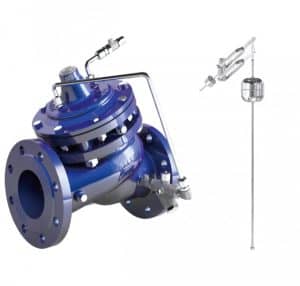

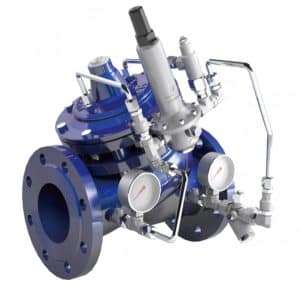


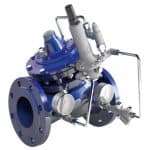
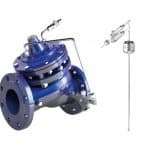
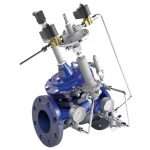
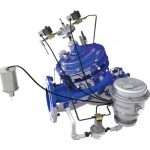

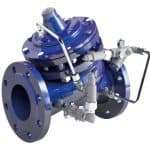
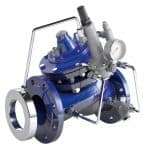
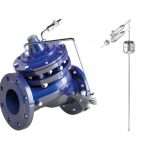
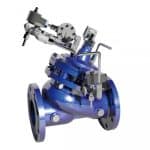
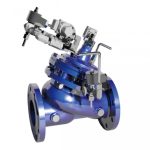

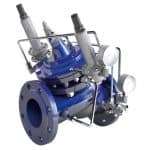

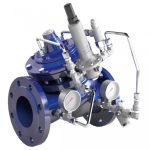
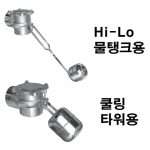
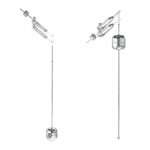

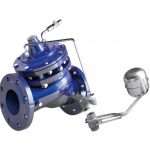
































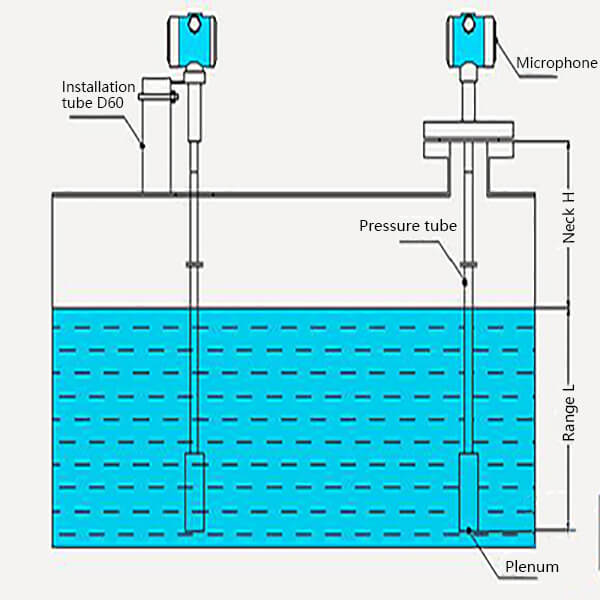
detect the level of liquids and other fluids and fluidized solids, including slurries, granular materials, and powders that exhibit an upper free surface. Substances that flow become essentially horizontal in their containers (or other physical boundaries) because of gravity whereas most bulk solids pile at an angle of repose to a peak. The substance to be measured can be inside a container or can be in its natural form (e.g., a river or a lake). The level measurement can be either continuous or point values. Continuous level sensors measure level within a specified range and determine the exact amount of substance in a certain place, while point-level sensors only indicate whether the substance is above or below the sensing point. Generally the latter detect levels that are excessively high or low.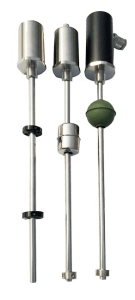
There are many physical and application variables that affect the selection of the optimal level monitoring method for industrial and commercial processes. The selection criteria include the physical: phase (liquid, solid or slurry), temperature, pressure or vacuum, chemistry, dielectric constant of medium, density (specific gravity) of medium, agitation (action), acoustical or electrical noise, vibration, mechanical shock, tank or bin size and shape. Also important are the application constraints: price, accuracy, appearance, response rate, ease of calibration or programming, physical size and mounting of the instrument, monitoring or control of continuous or discrete (point) levels. In short, level sensors are one of the very important sensors and play very important role in a variety of consumer/ industrial applications. As with other types of sensors, level sensors are available or can be designed using a variety of sensing principles. Selection of an appropriate type of sensor suiting to the application requirement is very important.
But is there need for such technology—or any level sensing device is the question that many people may ask. However, with the competitive nature of the industry and the consistently wanting to improve quality, reduce costs, inefficiencies and waste kind of mentality, no company wants to take the risk at offering solutions that are not performing as best as they could be.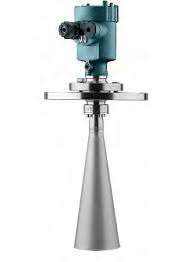
The principle behind magnetic, mechanical, cable, and other float level sensors often involves the opening or closing of a mechanical switch, either through direct contact with the switch, or magnetic operation of a reed. In other instances, such as magnetostrictive sensors, continuous monitoring is possible using a float principle.
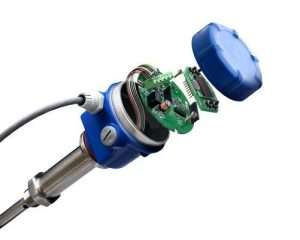 With magnetically actuated float sensors, switching occurs when a permanent magnet sealed inside a float rises or falls to the actuation level. With a mechanically actuated float, switching occurs as a result of the movement of a float against a miniature (micro) switch. For both magnetic and mechanical float level sensors, chemical compatibility, temperature, specific gravity (density), buoyancy, and viscosity affect the selection of the stem and the float. For example, larger floats may be used with liquids with specific gravities as low as 0.5 while still maintaining buoyancy. The choice of float material is also influenced by temperature-induced changes in specific gravity and viscosity – changes that directly affect buoyancy.
Float-type sensors can be designed so that a shield protects the float itself from turbulence and wave motion. Float sensors operate well in a wide variety of liquids, including corrosives. When used for organic solvents, however, one will need to verify that these liquids are chemically compatible with the materials used to construct the sensor. Float-style sensors should not be used with high viscosity (thick) liquids, sludge or liquids that adhere to the stem or floats, or materials that contain contaminants such as metal chips; other sensing technologies are better suited for these applications.
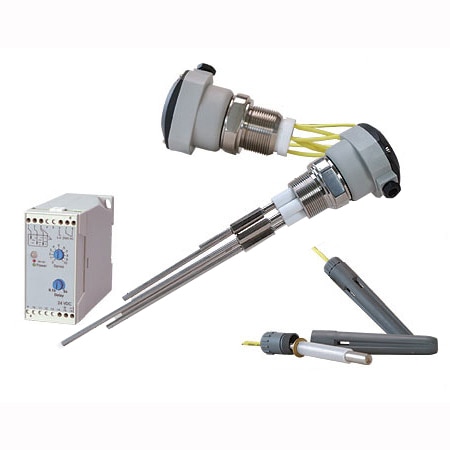 Conductive level sensors are ideal for the point level detection of a wide range of conductive liquids such as water, and is especially well suited for highly corrosive liquids such as caustic soda, hydrochloric acid, nitric acid, ferric chloride, and similar liquids. For those conductive liquids that are corrosive, the sensor’s electrodes need to be constructed from titanium, Hastelloy B or C, or 316 stainless steel and insulated with spacers, separators or holders of ceramic, polyethylene and Teflon-based materials. Depending on their design, multiple electrodes of differing lengths can be used with one holder. Since corrosive liquids become more aggressive as temperature and pressure increase, these extreme conditions need to be considered when specifying these sensors.
 Conductive level sensors use a low-voltage, current-limited power source applied across separate electrodes. The power supply is matched to the conductivity of the liquid, with higher voltage versions designed to operate in less conductive (higher resistance) mediums. The power source frequently incorporates some aspect of control, such as high-low or alternating pump control. A conductive liquid contacting both the longest probe (common) and a shorter probe (return) completes a conductive circuit. Conductive sensors are extremely safe because they use low voltages and currents. Since the current and voltage used is inherently small, for personal safety reasons, the technique is also capable of being made “Intrinsically Safe” to meet international standards for hazardous locations. Conductive probes have the additional benefit of being solid-state devices and are very simple to install and use. In some liquids and applications, maintenance can be an issue. The probe must continue to be conductive. If buildup insulates the probe from the medium, it will stop working properly. A simple inspection of the probe will require an ohmmeter connected across the suspect probe and the ground reference.
Typically, in most water and wastewater wells, the well itself with its ladders, pumps and other metal installations, provides a ground return. However, in chemical tanks, and other non-grounded wells, the installer must supply a ground return, typically an earth rod.

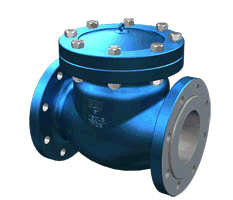
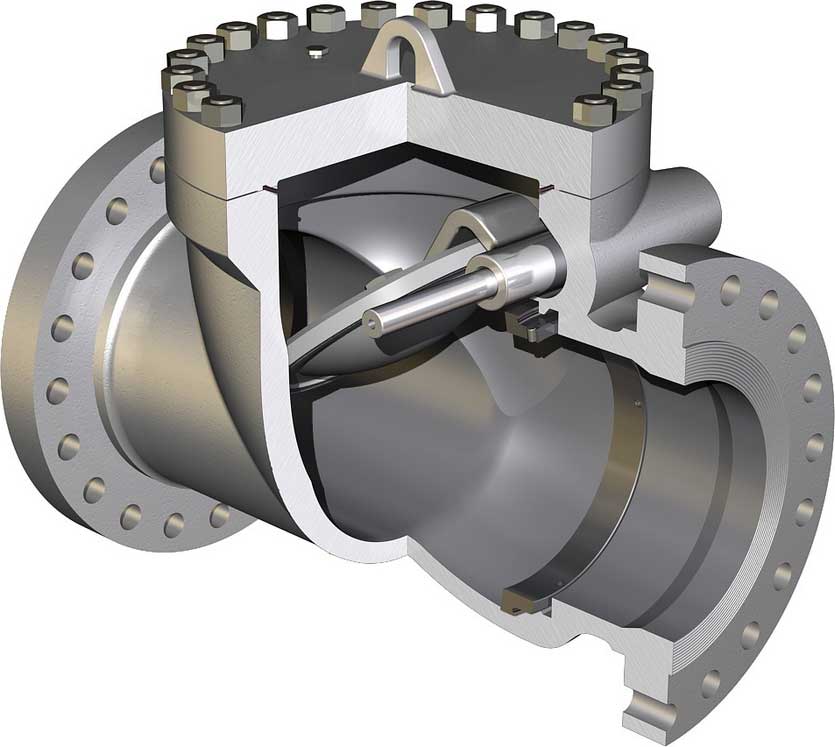
Check valves inherit the term “cracking pressure“. When the cracking pressure is reached, the valve will open. When the pressure drops below the cracking pressure and/or back-pressure occurs, the valve closes. The way a Check valve operates is ideal for preventing contamination from fluid flowing into separate services connected to a common header. This valve works automatically, and typically with no human or external control, such as a valve handle or stem.
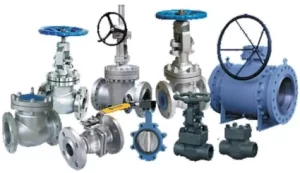
Check valves have different configurations with the most common being the swing, tilting-disc, wafer, lift, and stop-check valves.
A check valve, non-return valve, reflux valve, retention valve, foot valve, or one-way valve is a valve that normally allows fluid (liquid or gas) to flow through it in only one direction.
Check valves are two-port valves, meaning they have two openings in the body, one for fluid to enter and the other for fluid to leave. There are various types of check valves used in a wide variety of applications. Check valves are often part of common household items. Although they are available in a wide range of sizes and costs, check valves generally are very small, simple, and inexpensive. Check valves work automatically and most are not controlled by a person or any external control; accordingly, most do not have any valve handle or stem. The bodies (external shells) of most check valves are made of plastic or metal.
An important concept in check valves is the cracking pressure which is the minimum differential upstream pressure between inlet and outlet at which the valve will operate. Typically the check valve is designed for and can therefore be specified for a specific cracking pressure.
Ball Valve, Segmented Valve, Dome 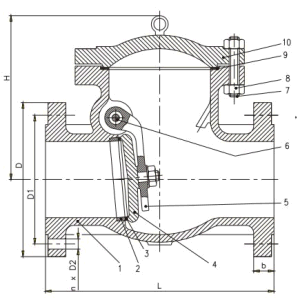 Valve, V Port Ball Valve, Plug Valve
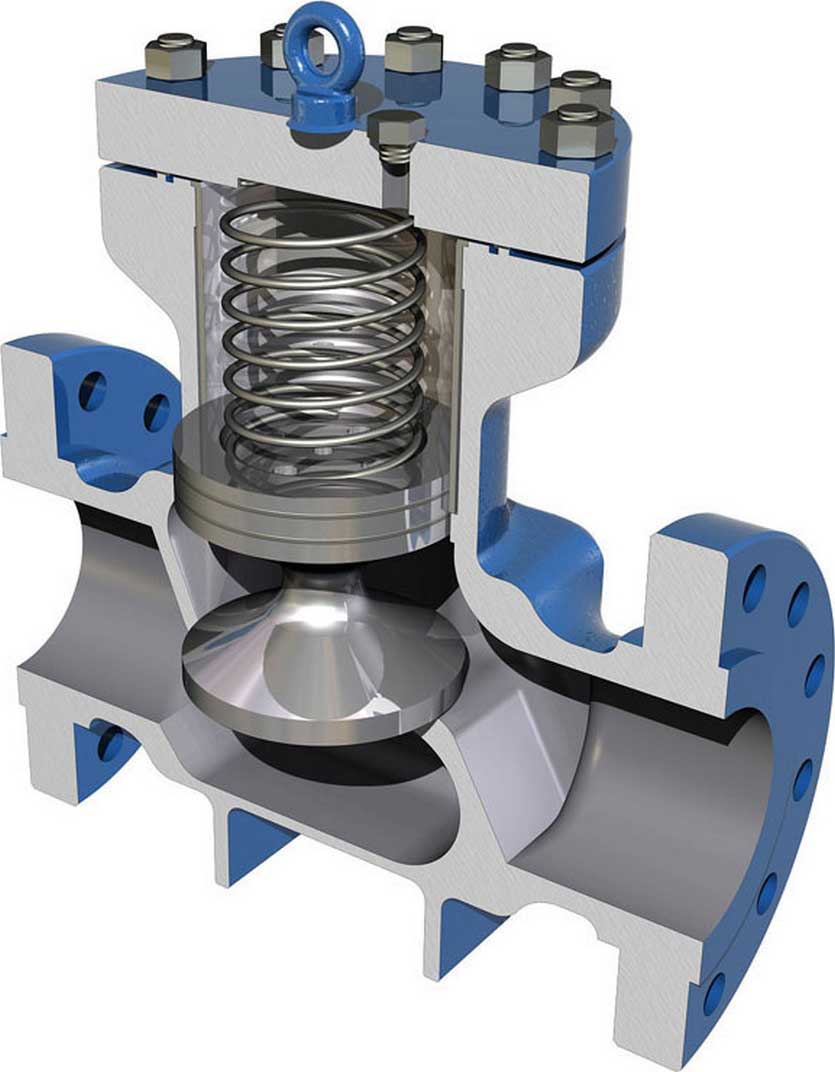

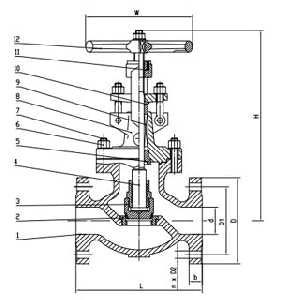
Globe valves are linear motion closing-down valves used to start, stop or regulate the flow using a closure member referred as a disc. The globe valve disk can completely close the flow path or can be removed entirely. The seat opening changes proportionately with the travel of the disc which is ideal for duties involving flow regulation. Globe valves are most suitable and widely used for throttling and controlling fluid flow and are generally employed in small size piping.
Globe valves are named for their spherical body shape with the two halves of the body being separated by an internal baffle. This has an opening that forms a seat onto which a movable plug can be screwed in to close (or shut) the valve. The plug is also called a disc. In globe valves, the plug is connected to a stem which is operated by screw action using a handwheel in manual valves. Typically, automated globe valves use smooth stems rather than threaded and are opened and closed by an actuator assembly.
A Globe can also be used as a stop valve (for starting and stopping flow).
Globe valves are generally characterized for their spherical body with the two halves of the body being separated by an internal baffle.This has an opening that forms a seat onto which the disc, connected to a stem, can be screwed in (if operated manually) or slid in (if automated) to close the valve.
However many globe valve designs do not have the traditional round body-shape. Still, valves that contain the same mechanism are referred to as Globe valves.
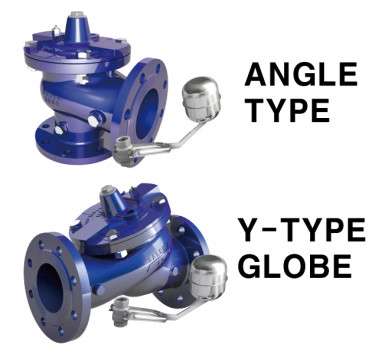
Globe valves have several types of designs: globe, angle, Y-pattern, T-pattern, control, etc.
A complete range of globe valves, ideal for throttling and shut off services for oil & gas, petrochemical, power, offshore and other demanding applications. Designed for duties where high flow efficiency, tight shut-off and long service life is a prime requirement. A wide choice of shell and trim materials do cover the whole range of applications, from the every-day type of non-corrosive service to critical service with highly aggressive media.
Ball Valve, Segmented Valve, Dome Valve, V Port Ball Valve, Plug V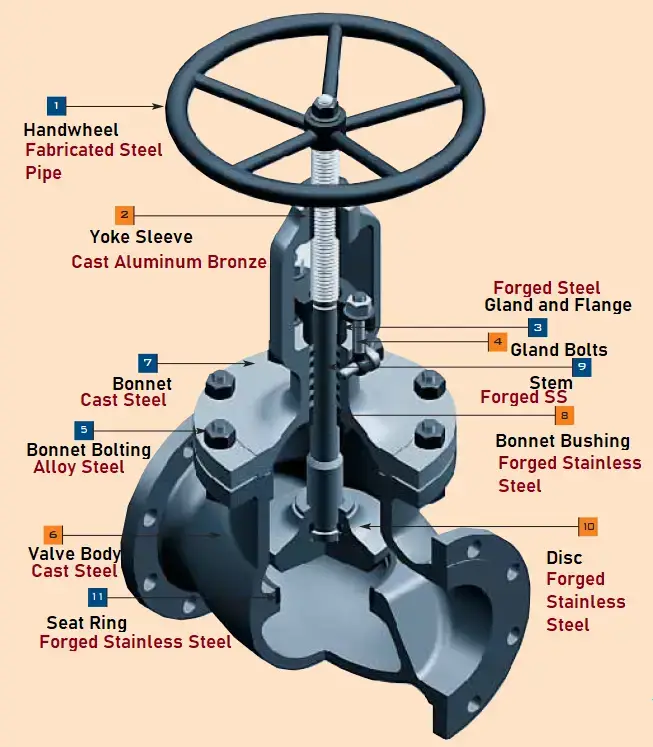
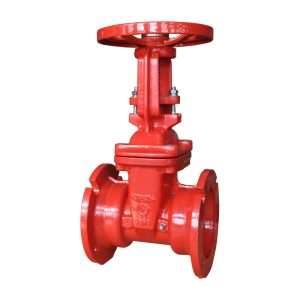 A gate valve, also known as a sluice valve, is a valve that opens by lifting a barrier (gate) out of the path of the fluid. Gate valves require very little space along the pipe axis and hardly restrict the flow of fluid when the gate is fully opened. The gate faces can be parallel but are most commonly wedge-shaped (in order to be able to apply pressure on the sealing surface).
Gate valves are used to shut off the flow of liquids rather than for flow regulation. When fully open, the typical gate valve has no obstruction in the flow path, resulting in very low Flow Resistance.
The size of the open flow path generally varies in a nonlinear manner as the gate is moved. This means that the flow rate does not change evenly with stem travel. Depending on the construction, a partially open gate can vibrate from the fluid flow.
Gate valves are mostly used with larger pipe diameters (from 2″ to the largest pipelines) since they are less complex to construct than other types of valves in large sizes.
At high pressures, friction can become a problem. As the gate is pushed against its guiding rail by the pressure of the medium, it becomes harder to operate the valve. Large gate valves are sometimes fitted with a bypass controlled by a smaller valve to be able to reduce the pressure before operating the gate valve itself.
Gate valves without an extra sealing ring on the gate or the seat are used in applications where minor leaking of the valve is not an issue, such as heating circuits or sewer pipes.
 Ball Valve, Segmented Valve, Dome Valve, V Port Ball Valve, Plug Valve
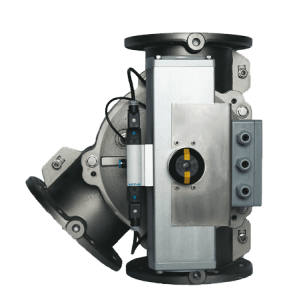
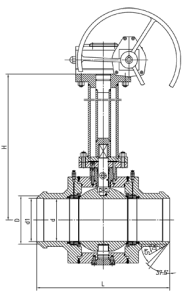
A ball valve is a flow control device which uses a hollow, perforated and pivoting ball to control fluid flowing through it. It is open when the ball’s hole is in line with the flow inlet and closed when it is pivoted 90-degrees by the valve handle, blocking the flow. The handle lies flat in alignment with the flow when open, and is perpendicular to it when closed, making for easy visual confirmation of the valve’s status.[2] The shut position 1/4 turn could be in either clockwise or counter-clockwise direction.
Ball valves are durable, performing well after many cycles, and reliable, closing securely even after long periods of disuse. These qualities make them an excellent choice for shutoff and control applications, where they are often preferred to gates and globe valves, but they lack the fine control of those alternatives, in throttling applications.
Ball valve has a spherical design device with a hole in it used for isolation and on-and-off service. The ball is always in the fluid path. Because this valve is symmetrical, either end can be the inlet allowing flow to come through either direction, and can be used for changing flow direction.
Unlike other valves, the Ball valve may have different designs, but they are all assembled the same way. Ball valves have many configurations: floating, trunnion mounted, union body, split body, end entry, top entry, 3-piece, etc. There are also special service designs: cryogenic, metal to metal, subsea, severe conditions, double block, and bleed.
These valves are suitable for demanding and critical applications in oil&gas, petrochemical and chemical industry. With the wide range of special valve materials available, the valves find frequent use off-shore and in similar applications where physical and chemical resistance to both flow medium and environment is of utmost importance.
Valves can be engineered to suit any particular client requirement.
 Ball Valve, Segmented Valve, Dome Valve, V Port Ball Valve, Plug Valve
A valve is a mechanical element used in piping systems to start, stop, mix, control, or regulate the flow or pressure of the fluid by modifying the passage through the pipe.