Instrumentation is the tools and devices used for measurement and control in a larger and more complex system. Instrumentation can mean a tool to produce sound effects , but in general instrumentation has several main functions:
- as a measurement tool
- as an analytical tool
- as a means of control
- as a recording device / recorder for an equipment (in this case it is also known as trend data)
Instrumentation as a measurement tool includes survey / statistical instrumentation , temperature measurement instrumentation, etc. Examples of instrumentation as an analytical tool are often found in the field of chemistry , for example PH meters, conduct meters, turbidity meters, etc. while examples of instrumentation as a means of control are found in electronics , industry and factories .
Measurement, analysis and control systems in this instrumentation can be done manually (the results are read and written by hand), but can also be done automatically using a computer ( electronic circuit). For this second type, instrumentation cannot be separated from electronics and instrumentation itself.
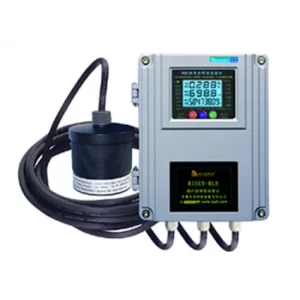
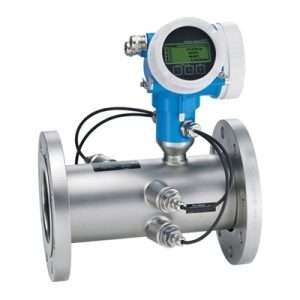
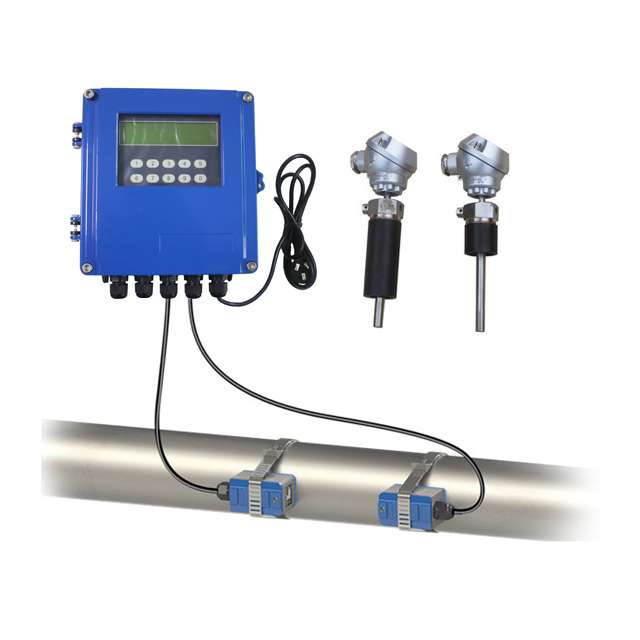
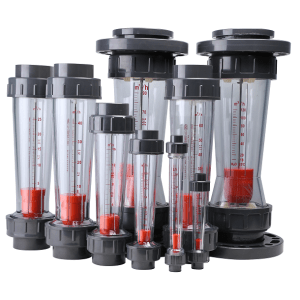
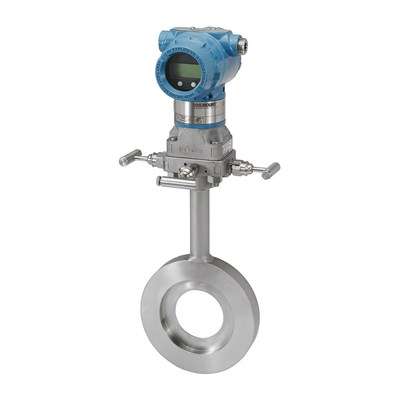
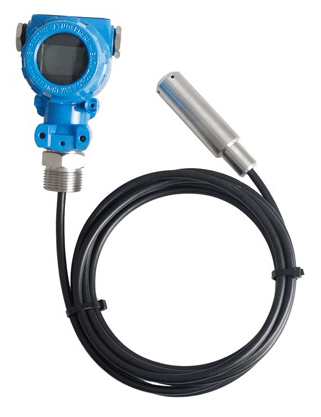
Instrumentation as a measuring device is often the front/beginning of the next sections (the control section), and can be in the form of measuring all kinds of physical, chemical, mechanical, or electrical quantities. Some examples include measuring : mass , time , length , area , angle , temperature , humidity , pressure , flow, pH ( acidity ), level, radiation , sound, light, speed, torque, electrical properties ( electric current), electric voltage, electrical resistance), viscosity , density, etc.